What's inside the devices people trust with their crypto
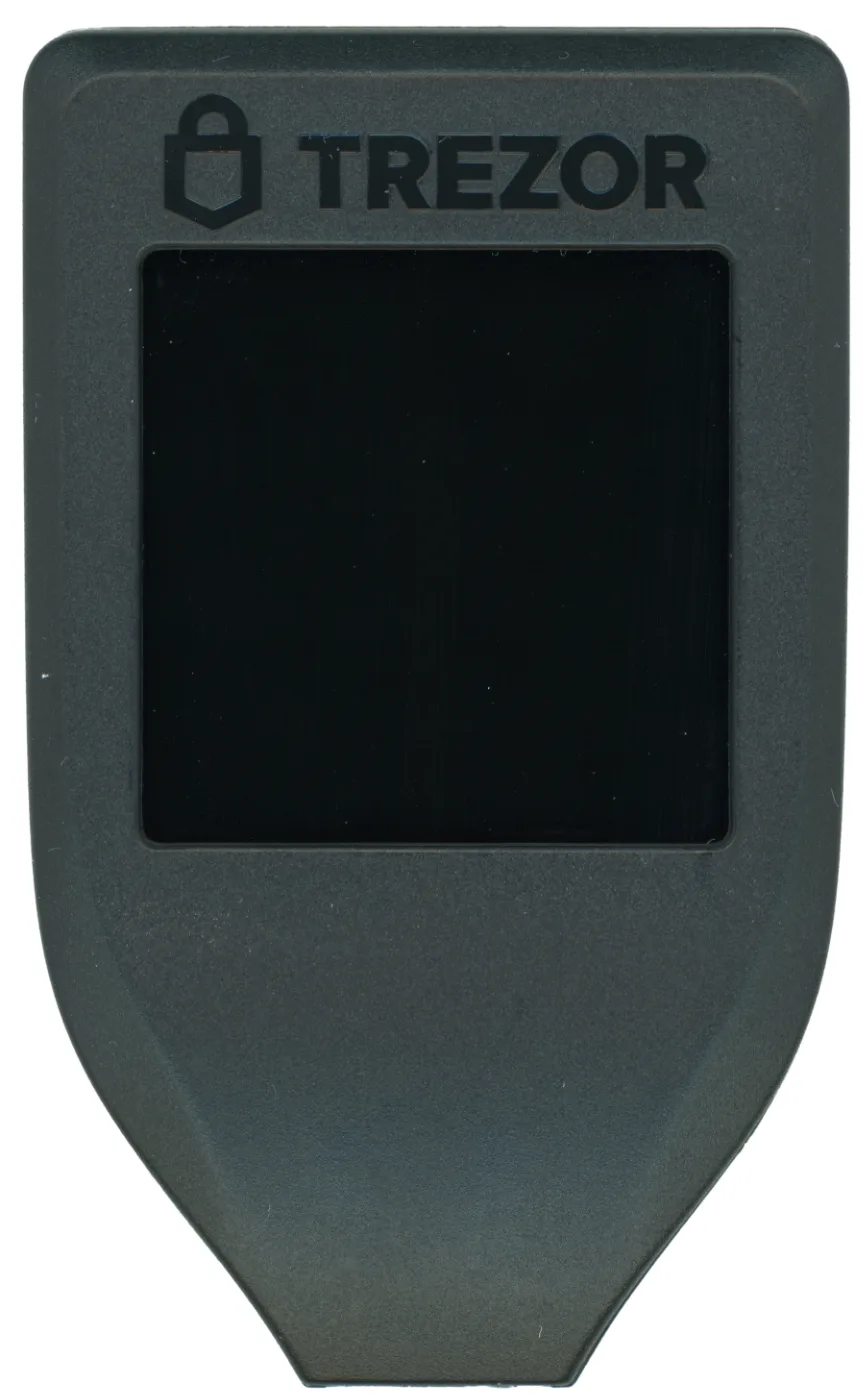
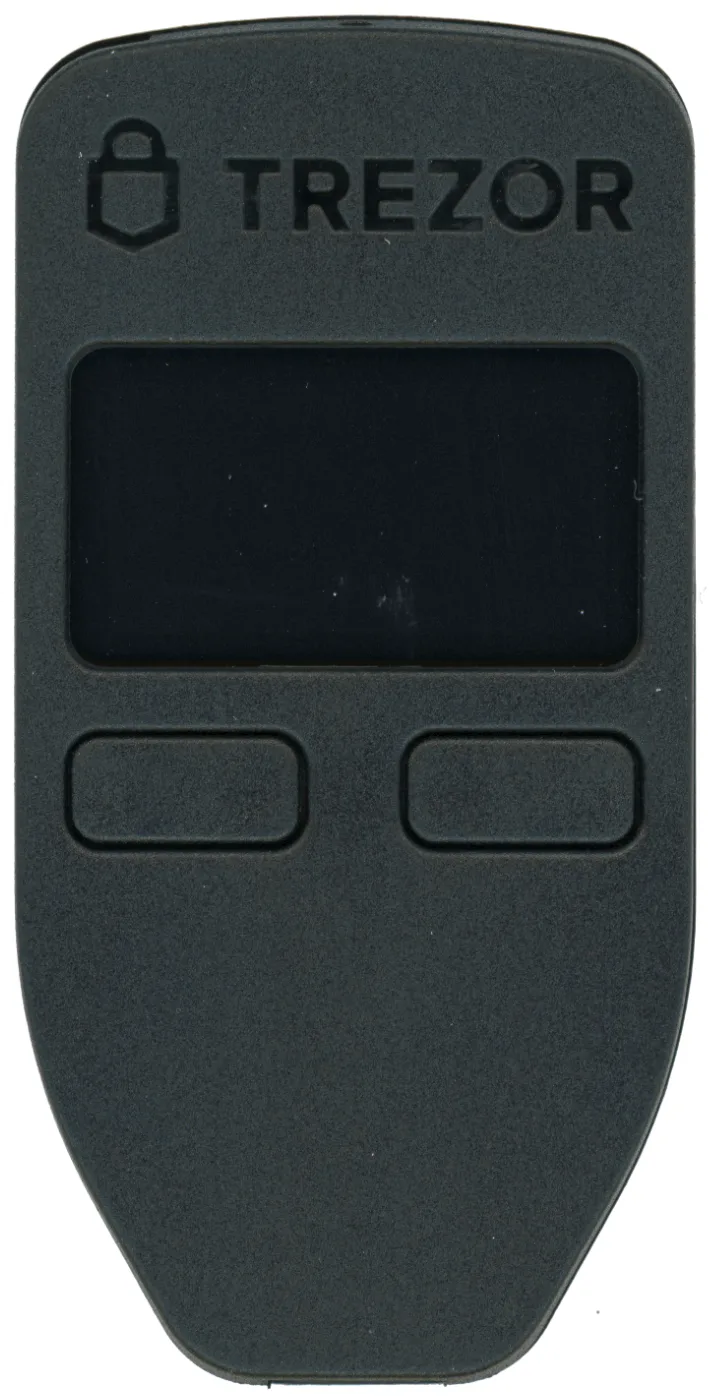
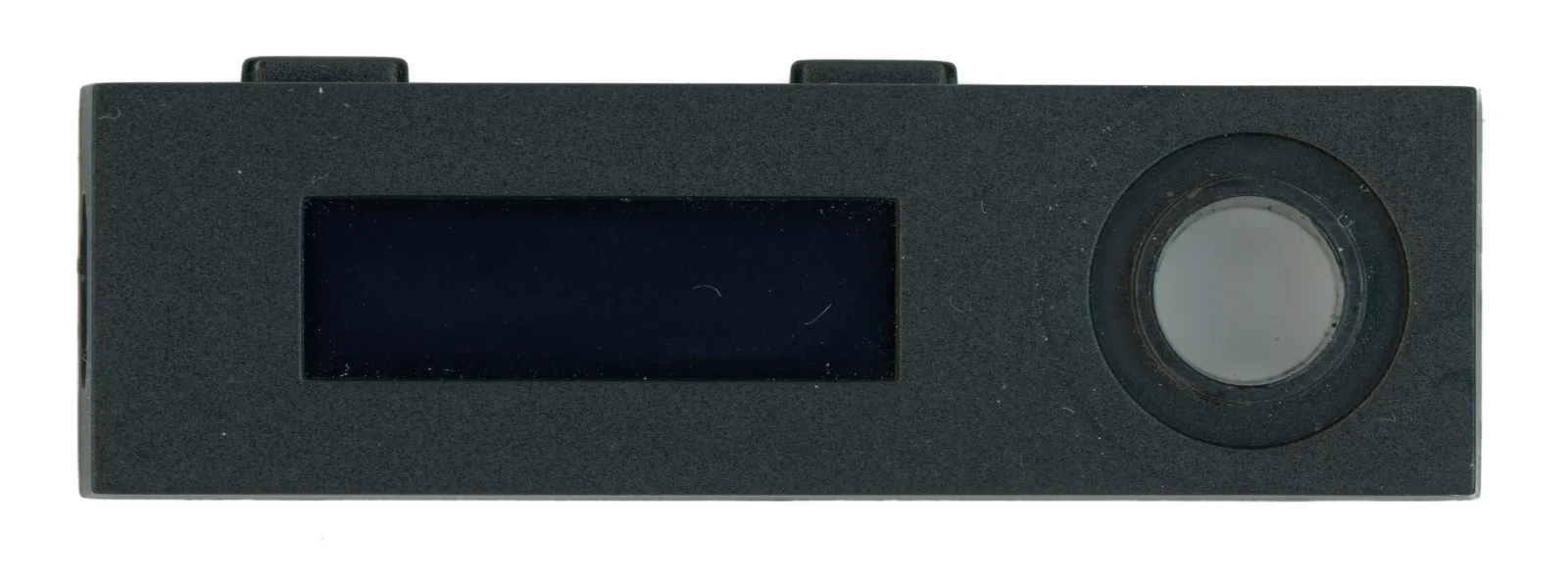
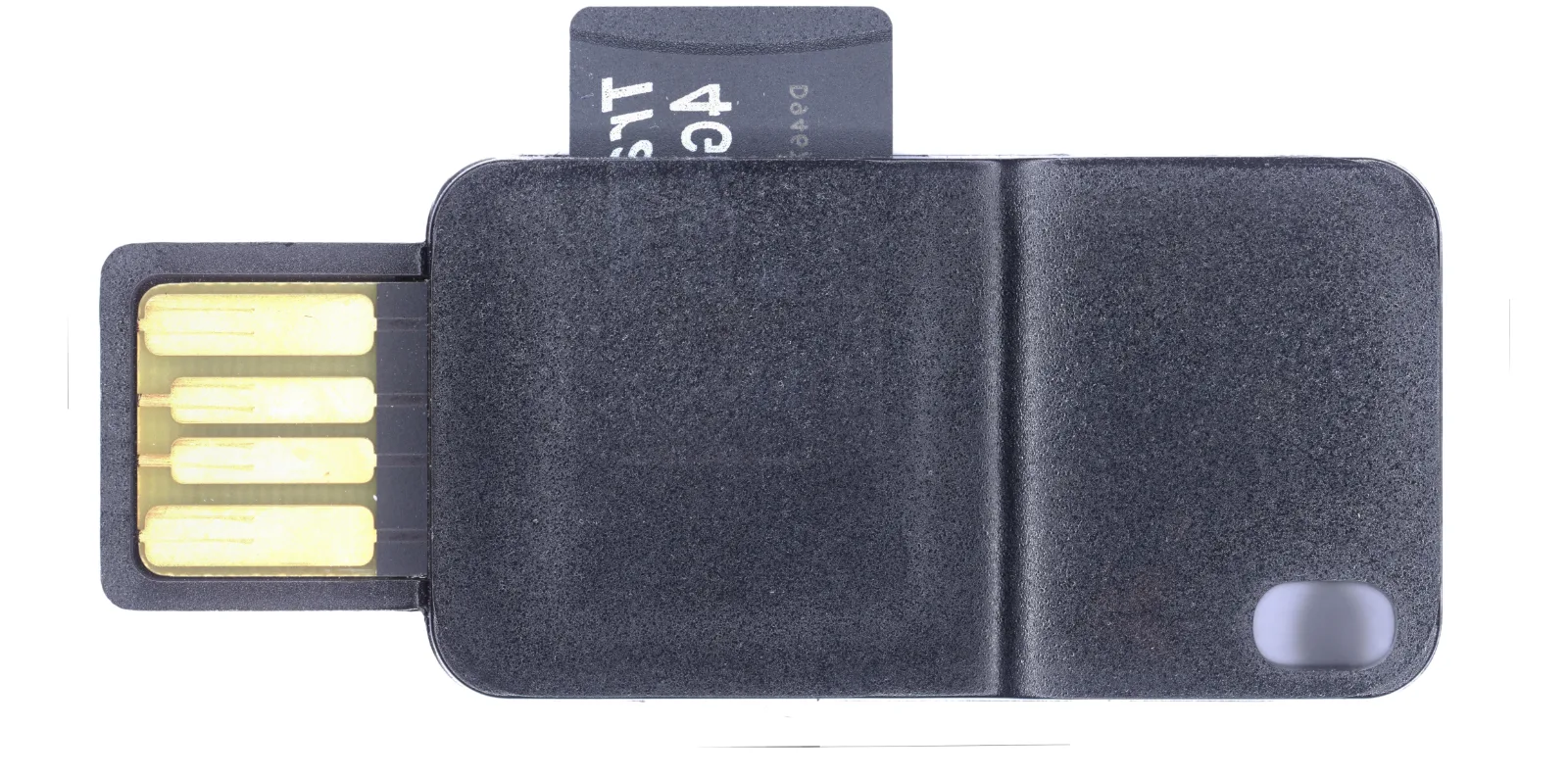
Our engineers take hardware wallets and encrypted drives apart as part of recovery work. These pages document what we find: how to identify each device and generation, how its firmware protects your PIN, and how its security compares.
Every rating links back to a public source or to our own lab notes. Where firmware changed how a device protects its secrets, we list each version separately.
Whether keys live in a secure element or in a general-purpose microcontroller, and what that means for physical attacks.
02
Firmware transparency
Whether the source is public and whether independent builds reproduce the exact binary the manufacturer ships, as tracked by projects like WalletScrutiny.
03
Supply chain
Whether updates are signed and how the build pipeline measures up against SLSA, the OpenSSF framework (originally from Google) that grades build integrity from L0 to L3.
04
PIN and password handling
How the PIN is hashed or stretched, how many attempts are allowed, and how that has changed between firmware versions.
Responsible disclosure
We share vulnerabilities with manufacturers before anything is published. Details of unpatched issues never appear on these pages. Manufacturers who want to correct or add to an entry can reach us at research@unciphered.com.
Locked out of one of these devices?
We recover access to hardware wallets across every generation listed here.